
Home Blog Page 16

Hamas welcomes Albo’s pledge to recognise Palestine state

Anthony%20Albanese%20%20in%20gaza%0D%0A%0D%0A%20 %201
AI Image of Albo and Hamas shaking hands 


Australia‘s decision to recognize a Palestinian state has ignited a fierce political debate, with the Coalition accusing the Labor government of emboldening the terrorist group Hamas.1
The controversy follows reports that a senior Hamas official praised Australia’s move.2

Albanese has been clear that this recognition is predicated on commitments received from the Palestinian Authority (PA), which governs parts of the occupied West Bank.6 These commitments include a pledge that Hamas will have no role in a future Palestinian state, as well as promises to demilitarize Gaza and hold elections.7 The government has stressed that its goal is to “isolate Hamas” and support moderate voices for peace in the region.8

The Coalition’s criticism intensified after reports emerged that a senior Hamas official praised Australia’s decision, calling it “courageous.”10 The opposition has seized on this, saying that it proves the government’s move has had the opposite effect of what was intended. The Coalition has also pledged that if they win the next election, they will reverse the recognition of a Palestinian state.11


The Broader Context

This diplomatic move by Australia comes amid a growing trend among Western nations. Countries like France, Britain, and Canada have also indicated their intention to recognize a Palestinian state.12 The Australian government has stated that it is joining this international momentum to pressure both Israel and the Palestinian Authority toward a lasting peace.

Albanese Wong Australia has confirmed it will recognize a Palestinian state

Anthony Albanese and Penny Wong with gaza background
Anthony Albanese and Penny Wong
Photo #Grok 3


CANBERRA — Australia has confirmed it will recognize a Palestinian state at the UN General Assembly in September, a move that has reignited scrutiny of the Palestinian Authority‘s (PA) history of payments to the families of individuals killed or imprisoned in connection with attacks against Israelis.1
Prime Minister Anthony Albanese and Foreign Minister Penny Wong announced the decision, emphasizing it’s part of a global effort to push for a two-state solution and to isolate the militant group Hamas.2

VP Vance Predicts Wave of Indictments in Wake of Treason Accusations

JD%20Vance%20 %201
Vice President JD Vance and 👴 Photo [Grok]

WASHINGTON, D.C. – Vice President JD Vance has forecasted a significant number of indictments stemming from what he and President Donald Trump describe as a “treasonous conspiracy” orchestrated by former President Barack Obama and other high-ranking officials in the so-called “deep state.” Vance’s comments come amid escalating rhetoric from the Trump administration targeting alleged interference in the 2016 election and subsequent efforts to undermine Trump’s presidency.

In a recent appearance on Fox News‘ *Sunday Morning Futures* with host Maria Bartiromo, Vance stated, “You’re going to see a lot of indictments” related to aggressive violations of the law during the Russia investigation, often referred to as “Russiagate.” This prediction follows President Trump’s direct accusation of treason against Obama, claiming that the former president and his allies attempted to “steal the election” through fabricated intelligence and political maneuvering.

The allegations center on declassified documents released by Director of National Intelligence Tulsi Gabbard, who has accused Obama, former CIA Director John Brennan, former Director of National Intelligence James Clapper, former FBI Director James Comey, and former Secretary of State Hillary Clinton of leading a “treasonous conspiracy” to overturn Trump’s 2016 victory. Gabbard, a key Trump appointee, has confirmed she is referring these documents to the Department of Justice (DOJ) for criminal investigation, asserting that the evidence is “irrefutable.” Sources indicate that a DOJ “strike force” is now actively targeting these individuals for potential charges of treason and conspiracy.

Trump has amplified these claims on social media and in public

JD%20Vance%20 %201

Is This the End of SEO as We Know It? Google’s AI Earthquake

Google's AI Earthquake on seo
Google’s AI Earthquake SEO
Photo Gemini

Google’s latest barrage of AI-powered updates, most notably the widespread rollout of AI Overviews (formerly SGE).

For years, we’ve meticulously crafted content, optimized keywords, and chased those coveted top spots on the Search Engine Results Page (SERP). Now, a seemingly intelligent summary, generated by artificial intelligence, often sits right at the top, providing answers without a single click to our painstakingly created websites. The question on everyone’s lips, from the buzzing cafes to the home offices: Have Google’s AI updates killed SEO?

Bipartisan Wins and Climate Clashes: A Look at a Week in Australian Senate

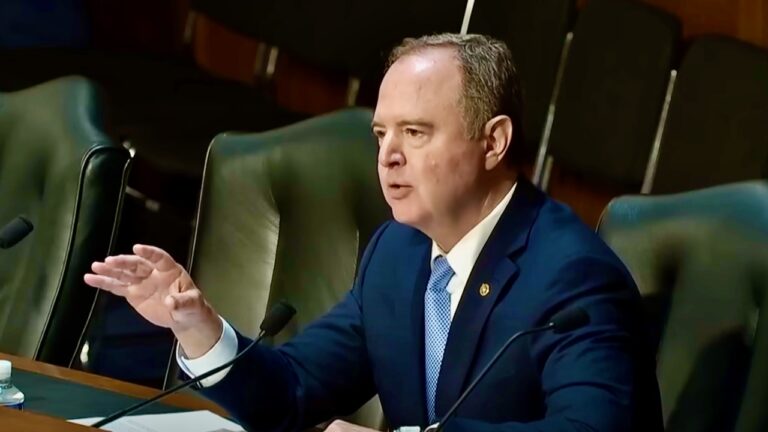
Australian Senate Penny Wong Speaking
Australian Senate Photo YouTube


A major focus in the Australian Senate last week was the passing of a new free trade agreement with the United Arab Emirates (UAE). This bill, which aims to boost trade between the two nations, was passed unanimously. This demonstrates a rare moment of bipartisan agreement on a significant economic policy matter.

Navigating Bitcoin Profits: To Cash Out Before the Bear Market or HODL Through the Storm?

Bitcoin Digital Gold behind a roller coaster
Bitcoin Digital Gold behind a roller coaster #Grok4

In the ever-volatile world of cryptocurrency, few questions spark as much debate as whether to take profits on Bitcoin (BTC) holdings before an anticipated bear market or to hold on for potential long-term gains. As of August 10, 2025, Bitcoin is trading around $116,000 to $119,000, having recently broken all-time highs above $117,000 and showing bullish momentum toward $120,000. With institutional adoption surging, ETF inflows, and global economic uncertainties boosting its safe-haven appeal (much like gold’s recent record highs), the market feels euphoric. Yet, whispers of an impending bear market—potentially starting in late 2025 or 2026—loom large, fueled by historical cycles and expert forecasts.

This post explores both sides of the argument, drawing from current market data, historical patterns, and community sentiments. Remember, this is not financial advice—I’m not a licensed advisor, and cryptocurrency investments carry significant risks. Always consult professionals and base decisions on your risk tolerance, financial goals, and thorough research.

The Case for Taking Profits: Secure Gains Before the Inevitable Dip

Bitcoin’s history is a rollercoaster of bull runs followed by brutal bear markets. Since its inception, BTC has experienced cycles roughly every four years, tied to halving events that reduce mining rewards and tighten supply. The 2021 peak at around $69,000 gave way to a 2022-2023 bear market that saw prices plummet to $15,400—a drop of over 75%. Many who didn’t cash out during the euphoria lost substantial unrealized gains.

Why Now Might Be the Time
– **Cycle Patterns Suggest a Peak Ahead**: Analysts predict Bitcoin could hit $140,000 to $250,000 by late 2025, but a correction could follow, potentially dropping 50-80% in 2026. One Elliott Wave expert warns of a bear market post-$140K, echoing past cycles where diminishing returns cap upside. If BTC reaches $200,000, a 75% drawdown could send it back to $50,000—wiping out late entrants.

Volatility and Market Sentiment: Recent outflows from Bitcoin ETFs ($131 million) indicate whales taking profits amid high prices. Community voices on X emphasize caution: “Take profits aggressively as you go,” warns one user, highlighting how bear markets drag alts down even harder. Another shares: “If you don’t take profits in the bull market, you’ll be broke in the bear.” Greed often leads to holding too long, turning winners into losers.

Practical Benefits Cashing out allows diversification into stables, fiat, or real-world assets. It locks in life-changing gains—especially if you’ve bought low (e.g., under $50K). Strategies include scaling out weekly, removing your initial investment plus 10-20%, or selling on bullish breakouts. As one trader notes, “Pigs get slaughtered”—overexposure at cycle highs invites pain.

| Pros of Taking Profits | Cons of Taking Profits |
|————————|————————|
| Secures gains against downturns | Misses further upside (e.g., if supercycle hits) |
| Reduces emotional stress in volatility | Tax implications on realized gains |
| Frees capital for bear market buys | Opportunity cost if BTC keeps climbing |

In short, if your goal is wealth preservation over moonshot bets, taking partial profits now—while BTC hovers near highs—makes sense. History shows bull markets don’t last forever, and many regret not exiting when euphoria peaks.

The Case for Holding: Bitcoin’s Long-Term Bullish Outlook

On the flip side, Bitcoin’s fundamentals have never been stronger, leading some to argue that “this time is different.” The era of 80% crashes may be fading as institutional money stabilizes the market.

Why HODL Could Pay Off
– **Supercycle Potential**: Experts like Tom Lee predict $250,000 by year-end, driven by ETF approvals, corporate adoption (e.g., MicroStrategy‘s Nasdaq inclusion), and Bitcoin’s scarcity post-2024 halving. The four-year cycle might break, with future “bear markets” limited to 30% drawdowns due to hedging tools like ETF options. One analyst notes: “The cycles are OVER… Passive inflows will provide downside support.”

Historical Resilience and Community Faith: Bitcoin has rewarded long-term holders, with a potential $1 million target in the next decade. X users echo this: “Buy and hold… Bitcoin has consistently rewarded long-term conviction.” Selling too early means missing 80% of gains in the cycle’s final 20%. FOMO from watching sold positions soar is real: “Don’t scale out too aggressively too soon.”

Boost Your Blogger Posts with Automatic Google Search Links

0

Blogger Google Search Links
Blogger Content Links
image Gemini

Level Up Your Blogger Posts: Engaging Readers with Automatic Google Search Links! 🚀

Hey blogging buddies from sunny Surfers Paradise and beyond! 👋

We’ve got some exciting news to share that’s going to make your blog content even more engaging and informative for your readers. Here at Blow the Truth (your go-to source for insightful reads!), we’re always looking for ways to enhance your experience, both as creators and consumers of content. That’s why we’re thrilled to announce the arrival of a fantastic new beta feature: automatic Google Search links powered by the might of Google itself!

What’s the Buzz About?

Imagine your readers diving deep into one of your brilliant blog posts, perhaps one detailing the best surf spots right here on the Gold Coast. They come across a term or a concept they’d like to explore further. In the past, they’d have to copy the text, open a new tab, and conduct a separate Google search. A little disruptive to their reading flow, right?

Well, those days are fading fast! With our new beta feature, Blogger will intelligently analyze your blog post content as you write. It automatically identifies key words and phrases and seamlessly inserts relevant Google Search links directly within your text.

How Does It Work? It’s Magic (Almost!) ✨

The process is incredibly simple and integrated right into your familiar Blogger Compose view.

  1. Head to Compose View: As you’re crafting your next masterpiece (maybe about the best gelato in Surfers Paradise?), make sure you’re in the standard Compose view.

  2. Look for the Pencil Icon: Keep an eye on the pencil icon located at the top-right of your page. This is your gateway to activating and managing this cool new feature. (Note: This feature is currently in beta, so make sure it’s enabled in your Blogger settings if you don’t see it right away.)

  3. Blogger Does the Rest: Once enabled, Blogger’s smart system will work its magic behind the scenes. It analyzes your text and automatically adds contextually relevant search links.

Why Should You Be Excited? 🤔

This new feature isn’t just a fancy add-on; it offers some serious benefits for both you and your readers:

  • Enhanced Reader Engagement: By providing instant access to more information, you’re empowering your readers to delve deeper into topics that pique their interest without leaving your page. This creates a richer and more engaging reading experience. Think of it as offering them a helpful guide right within your content.

  • Boosted Information Value: Your blog posts become even more valuable resources. Readers can quickly clarify concepts or explore related ideas, making your blog a go-to destination for comprehensive information.

  • Potential SEO Benefits: While not the primary goal, providing helpful and contextually relevant links can indirectly contribute to a better user experience, which search engines like Google appreciate. Keeping readers engaged on your page for longer can signal the quality of your content.

Try It Out Today! 🏄‍♀️

We encourage all our Blow the Truth community members to give this new beta feature a whirl! Head over to your Blogger dashboard, start a new post (or edit an existing one), and keep an eye out for that pencil icon in the Compose view. Experiment with it and let us know what you think! Your feedback is invaluable as we continue to refine and improve this exciting addition.

We’re confident that these automatic Google Search links will help you create even more dynamic and informative blog posts, keeping your audience engaged and coming back for more. So go ahead, give it a try, and let’s make the blogging world a more connected and knowledgeable place, one linked keyword at a time!

Since it is a new beta feature, it may not be visible to all users immediately, as it could be rolling out gradually. If you don’t see the option, you may need to wait until it is available for your account.

Happy blogging from sunny Queensland! ☀️

Trump’s Washington Police State: A Bold Move to Clean Out Crime


Washington%20Law%20Enforcement%20 %201
Washington Police Bridging the Divide
Photo Gemini


In recent weeks, President Donald Trump has made headlines with his aggressive push to address crime in Washington, D.C., a city he has long criticized as a hotbed of violence and disorder. On August 7, 2025, Trump ordered a surge of federal law enforcement officers to patrol the streets of the nation’s capital, framing the move as a necessary step to “make D.C. safe again.” This directive, coupled with his repeated threats to federalize the city’s governance, has sparked intense debate about public safety, local autonomy, and the specter of a police state. Let’s unpack this controversial initiative and its implications.

The Catalyst: A High-Profile Crime

The immediate trigger for Trump’s order was the brutal assault of Edward Coristine, a 19-year-old staffer in the Department of Government Efficiency (DOGE), during an attempted carjacking by a group of teenagers. The incident, which left Coristine bloodied, was seized upon by Trump as evidence of a city spiraling out of control. In a Truth Social post, he declared, “Crime in Washington, D.C., is totally out of control,” railing against “local youths and gang members” and calling for harsher prosecutions, including treating minors as adults.


This narrative of rampant lawlessness, however, clashes with data from the Metropolitan Police Department, which shows violent crime in D.C. down 26% in 2025 compared to 2024, and homicides down 12%. Carjackings, while still above pre-pandemic levels, have dropped nearly 50% since their 2023 peak. Despite these improvements, Trump’s rhetoric paints a dystopian picture, leveraging the Coristine incident to justify a sweeping federal intervention.

The Plan: Federal Muscle in D.C.
Trump’s response was swift and muscular. Starting August 7, federal agents from agencies like the U.S. Capitol Police, Homeland Security Investigations, the Drug Enforcement Administration, and the U.S. Marshals Service flooded D.C.’s streets, focusing on high-traffic tourist areas and “known hotspots.” The White House described the deployment as a seven-day operation with the option to extend “as needed,” building on Trump’s March 2025 executive order creating the “Making D.C. Safe and Beautiful Task Force.” This task force, which includes representatives from multiple federal agencies, aims to tackle crime, deport migrants, clear homeless encampments, and even address fare evasion on D.C.’s Metro system.

The move is part of a broader “tough on crime” agenda. Trump’s executive orders also call for clearing homeless encampments on federal land, restoring public monuments, and expediting concealed carry licenses for “law-abiding citizens.” Critics, however, see this as more than just crime-fighting. They argue it’s a power grab, with Trump eyeing a repeal of the District of Columbia Home Rule Act of 1973, which granted D.C. limited self-governance. Such a move would require Congressional approval, a steep hurdle, but Trump’s rhetoric—threatening to “federalize” the city and run it “how it should be run”—suggests he’s serious about centralizing control.

The Critics: A Police State in the Making?
The deployment has drawn sharp criticism from D.C. residents, local leaders, and civil liberties advocates. D.C.’s non-voting congressional delegate, Eleanor Holmes Norton, called the federal surge a “disproportionate overreaction,” noting that the city’s police had already arrested two 15-year-old suspects in the Coristine case. She warned that the influx of federal agents could “heighten tensions” and make D.C. less safe, especially given its historically low violent crime rate in 2024.

Community activists like Ron Moten of Don’t Mute DC echoed these concerns, arguing that the task force excludes meaningful community input and risks repeating the mistakes of past “tough on crime” policies, like the war on drugs, which devastated Black communities. “We don’t want violent people on our streets, but we don’t want to go back to mass incarceration,” Moten said. Patrice Sulton of the DC Justice Lab emphasized that effective public safety policies require local knowledge and collaboration, not top-down federal mandates.

How to Maximize Reach When Posting News Articles on Facebook

0

facebook%20 %201
Cracking the Code: Facebook

Are you tired of posting news articles on Facebook only to have them fall flat? Do you want to increase your reach and get your content in front of more people? You’re not alone. With the ever-changing Facebook algorithm, it can be tough to know what works and what doesn’t. In this post, we’ll dive into the dos and don’ts of posting news articles on Facebook and share some tips to help you boost your reach.
Understanding Facebook’s Algorithm
Before we dive into the nitty-gritty, it’s essential to understand how Facebook’s algorithm works. The algorithm prioritizes content that sparks meaningful conversations and engagement. This means that posts that generate likes, comments, and shares are more likely to be seen by a larger audience.
Best Practices for Posting News Articles
  1. Use eye-catching headlines: Your headline is the first thing people will see, so make it count. Use action verbs, questions, or statements that create curiosity.
  2. Add a compelling image: Images can increase engagement by up to 2.3 times. Use high-quality, relevant images that grab attention.
  3. Keep it concise: Facebook users are bombarded with content, so keep your posts short and sweet. Aim for 1-2 paragraphs max.
  4. Use Facebook’s built-in features: Facebook offers features like polls, quizzes, and questions that can help increase engagement.
  5. Post at the right time: Experiment with different posting times to find when your audience is most active.

What Not to Do

The Future of Blogging: How to Win with Google’s E-E-A-T

0

futuristic blogger wearing augmented reality glasses
Futuristic blogger wearing augmented reality glasses

Blogging in 2025 is a whole new ballgame. The digital landscape has evolved, and with the rise of AI and smarter search engine algorithms, simply writing a well-written article isn’t enough to stand out anymore. But don’t despair! The future of blogging is alive and thriving for those who adapt. The key is to embrace a new, multi-faceted approach that prioritizes your audience and provides genuine value.

So, what does the future of blogging look like, and how can you position yourself for success?

The Evolving Landscape: More Than Just Text

The biggest shift is a move away from text-only content. Readers today expect a richer, more engaging experience. To keep up, you need to think like a mini-media company. This means:

  • Multi-Format Content is King: Don’t just write a blog post. Turn it into a short video for YouTube or TikTok, an audio version (podcast), an infographic, or a social media thread. Repurposing your content across different platforms maximizes your reach and caters to different consumption habits.

  • The Rise of Personal Experience: With AI-generated content becoming more prevalent, authentic, expert-driven content is more valuable than ever. People want to follow people, not brands. Showcase your personal experiences, unique insights, and real-world knowledge to build trust and authority.

  • Community is Everything: Blogging is no longer a one-way street. Building an engaged community is crucial. Encourage comments and discussions on your posts, offer a free email newsletter, and be active on social media to interact with your audience. This fosters loyalty and turns your readers into a dedicated following.

How to Be Google-Friendly: The E-E-A-T Framework

Google is getting smarter, and its algorithm is designed to prioritize content that is truly helpful and reliable for users. To rank higher, you need to understand and apply the principles of what Google calls E-E-A-T: Experience, Expertise, Authoritativeness, and Trustworthiness.

E-E-A-T isn’t a single ranking factor, but a framework that Google’s quality raters use to assess content. Here’s what Google needs in your post to help it rank higher:

  1. Experience: This is the newest and arguably most important part of the framework. It’s about demonstrating firsthand, real-world involvement with your topic. If you’re writing a product review, have you actually used the product? If you’re giving travel advice, have you been to the destination? Showcasing personal case studies and detailed, nuanced insights that come from practical application is key.

  2. Expertise: Your content should reflect a high level of knowledge on the topic. For non-medical or financial topics, this can be demonstrated through consistently publishing high-quality content on a niche subject. For “Your Money or Your Life” (YMYL) topics like health or finance, Google expects you to have recognized credentials and professional affiliations.

  3. Authoritativeness: This measures how well-known and respected you are as a go-to source in your field. You can build authority by:

  4. Trustworthiness: Your content needs to be accurate, honest, and reliable. To demonstrate trustworthiness:

The Technical & On-Page SEO Checklist

Beyond E-E-A-T, there are a number of on-page SEO best practices that still matter for helping your posts rank:

  • Keyword Research: Target long-tail keywords that are specific to your audience’s search intent. For example, instead of “best coffee,” target “best organic coffee beans for pour-over.”

  • Compelling Titles & Meta Descriptions: Use headlines that hook the reader and include your main keyword. Keep them around 60 characters to avoid truncation in search results. Your meta description should be a concise summary that encourages clicks.

  • Clear Structure and Readability: Break up your content with headings (H1, H2, H3, etc.), bullet points, and short paragraphs. This makes it easy for both humans and search engines to scan and digest.

  • Multimedia Integration: Embed high-quality images, videos, and infographics to enhance the user experience. Remember to use descriptive alt text for your images.

  • Internal and External Linking: Link to other relevant posts on your site (internal linking) to keep readers engaged and to other authoritative websites (external linking) to back up your claims and build credibility.

  • Page Speed and Mobile-Friendliness: A slow or clunky website will deter visitors and impact your rankings. Use tools like Google PageSpeed Insights to optimize your site for fast loading times and mobile responsiveness.

By focusing on creating high-quality, people-first content that demonstrates real-world experience and is optimized with Google’s E-E-A-T framework in mind, you can set your blog up for long-term success. The future of blogging isn’t about pumping out content; it’s about providing genuine value, building a community, and being a trusted voice in your niche.